Sunday, May 8, 2011

Reflection On Weeks 1-5
During the past 5 weeks I have created 2 tasks on my topic about water filtration.
First I researched using the net and found an article that provided background information to help my understanding of the issues related to my topic.
With this information I created a summary on the topic and posted this on my blog page. This helped my understanding and provided me with more information to move to the next stage on Blooms.
During the "comprehension" stage I created my second task which was embed a visual snapshot to show the audience my understanding of the topic. We were asked to record our summaries as a video and embed the file into our blog page to demonstrate our oral language skills and ability to master intonation and expression. I found this difficult to do at first but Bibil was able to assist us and I was pleased with the final product.
Now i am preparing for the next stage of Blooms "Application" and I and deciding how I will design my next task that could include: an interview, a simulation, a presentation using IT tools and illustration.
It's time for me now to plan my next task so please check my blog on Friday and post a comment.
First I researched using the net and found an article that provided background information to help my understanding of the issues related to my topic.
With this information I created a summary on the topic and posted this on my blog page. This helped my understanding and provided me with more information to move to the next stage on Blooms.
During the "comprehension" stage I created my second task which was embed a visual snapshot to show the audience my understanding of the topic. We were asked to record our summaries as a video and embed the file into our blog page to demonstrate our oral language skills and ability to master intonation and expression. I found this difficult to do at first but Bibil was able to assist us and I was pleased with the final product.
Now i am preparing for the next stage of Blooms "Application" and I and deciding how I will design my next task that could include: an interview, a simulation, a presentation using IT tools and illustration.
It's time for me now to plan my next task so please check my blog on Friday and post a comment.
Types of Filter
Filtering water
There are many ways to filter water to make it safer from germs . Some filters, like the ceramic filter below, require special equipment . Others need no special equipment and can easily filter small or large amounts of water before disinfecting .
Cloth filters
In Bangladesh and India, a filter made of finely woven cloth is used to remove cholera germs from drinking water . Because the cholera
germ often attaches to a tiny animal that lives in water, filtering out these animals also filters out most cholera germs . This method also filters out guinea worms . You can make a cloth filter out of handkerchiefs, linen, or other fabric such as the cloth used to make saris . Old cloth works better than new cloth because worn fibers make the spaces in the weave smaller and better for filtering .
1 . Let water settle in a container so that solids sink to the bottom .
2 . Fold the cloth 4 times and stretch or tie it over the mouth of another container or water jar .
3 . Pour water slowly from the first container through the cloth into the second container or jar .
Always use the same side of the cloth, or germs may get into the water . After using the cloth, wash it and leave it in the sun to dry . This kills any germs that may be left in the cloth . In the rainy season, disinfect the cloth with bleach . Be sure to clean the container you use to store the filtered water in, at least every 2 to 3 weeks .
Ceramic filters
A small water filter can be made from fired clay coated with colloidal silver (a substance that kills germs) . With basic training, any potter can easily make these filters .
There are many ways to filter water to make it safer from germs . Some filters, like the ceramic filter below, require special equipment . Others need no special equipment and can easily filter small or large amounts of water before disinfecting .
Cloth filters
In Bangladesh and India, a filter made of finely woven cloth is used to remove cholera germs from drinking water . Because the cholera
germ often attaches to a tiny animal that lives in water, filtering out these animals also filters out most cholera germs . This method also filters out guinea worms . You can make a cloth filter out of handkerchiefs, linen, or other fabric such as the cloth used to make saris . Old cloth works better than new cloth because worn fibers make the spaces in the weave smaller and better for filtering .
1 . Let water settle in a container so that solids sink to the bottom .
2 . Fold the cloth 4 times and stretch or tie it over the mouth of another container or water jar .
3 . Pour water slowly from the first container through the cloth into the second container or jar .
Always use the same side of the cloth, or germs may get into the water . After using the cloth, wash it and leave it in the sun to dry . This kills any germs that may be left in the cloth . In the rainy season, disinfect the cloth with bleach . Be sure to clean the container you use to store the filtered water in, at least every 2 to 3 weeks .
Ceramic filters
A small water filter can be made from fired clay coated with colloidal silver (a substance that kills germs) . With basic training, any potter can easily make these filters .
Tuesday, May 3, 2011
Today (May 4th 2011) on period 2 which's personal project lesson, Ms Liz came to the class and explained me about Personal Project Written Information and she used some illustrations and examples. She gave us the outline if my personal project written information which helps me a lot. She advised me to do each paragraph every week. Below, are the outlines:
Title Page:
Name
Title of Project, I could change or update it
Word Count
School Name ad Year
Paragraph One 300-500 Words assesses Criterion B
Introduction:
Title Page:
Name
Title of Project, I could change or update it
Word Count
School Name ad Year
Paragraph One 300-500 Words assesses Criterion B
Introduction:
- What is the topic of your project?
- Why did you choose this project?
- Why are you interested in it personally?
- What area if interaction are you focusing on and why?
- What is the goal of your project- what are you trying to do/make?
- What are your specifications for success?
Paragraph Two - 500 words assesses Criterion C
Research (the more, the better)
- What research did you do to help you find out more about your project?
- What were the different sources you used - internet, books, interviews, etc.?
- Give some examples of what you found out from your research?
Paragraph Three - 500 words assesses Criterion D
Applying Information
- How did you use this research?
- How did this information relate to goal of your project?
- How did you make/complete your product?
Paragraph Four - 500 words assesses Criterion E
Achieving your goal
- Evaluate your goal/product against the specifications you have written
Paragraph Five - 500 words assesses Criterion F
Conclusion
- How has this project developed your knowledge and understanding of the topic?
- How has this project extend your knowledge and understanding of the area of interaction?
- How has this developed your skills?
- What are you going to do with this in the future?
Each paragraph, the word is no more than 500. (limited)
Plan
In the last couple days, I'm done creating and designing my plan. The purpose of my plan is so that I can use my time much more wisely and effectively.


Materials
I've collected all the materials. It took me about 2 weeks to collect all the materials, cause I ordered activated carbon from my uncle. Now, I start timing how long does it take to 500 ml of dirty water to be filtrated.
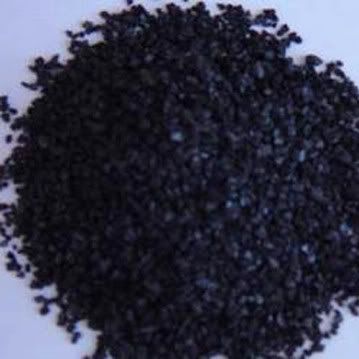 |
| Activated Carbon |
Sunday, May 1, 2011
The steps to create my product
These pictures that I drew on the board during ESL class. The purpose is to explain anyone who wants to know more about water filtration.


Thursday, April 28, 2011
Why Filter Water?
Filtering water is a task worthy of effort, especially if you have the health and safety of your family in mind. After all, the quality of water these days cannot be trusted, especially in areas with a lot of industrial activities. A lot of contaminants are usually detected in most water supply system.
With such danger, it is important that you take the necessary precautions to make sure the water you use is clean and pure. But don’t worry, this does not necessarily have to cost you a lot. In fact, you can make your own water filter. Here's the picture:

With such danger, it is important that you take the necessary precautions to make sure the water you use is clean and pure. But don’t worry, this does not necessarily have to cost you a lot. In fact, you can make your own water filter. Here's the picture:

Water Filtration Process
Waste water and water from most natural resources must be cleaned before becoming available for general everyday use. Water treatment plants take potential drinking water through aeration, coagulation, sedimentation, filtration and disinfection process before it can be available for human consumption.
Filtration Process
- The steps that make up the water filtration process are pre-filtration, sediment filtration, carbon block filtration and ultraviolet treatment.
Pre-Filtration
- The pre-filtration step removes all rock, mud, feces and other large debris from incoming water.
Sediment Filtration
- In this step the water passes through a sediment filter. The sediment filter has smaller pores for the removal of smaller debris like sand, dirt and bugs.
Carbon Block Filtration
Block of Activated Carbon from Carbon Filter
This step incorporates and activated carbon filter to induce carbon bonding. The carbon bonding works to cleanse the water of pesticides, herbicides, cleaners and other chemical impurities.
Ultraviolet Treatment
- This final step uses high levels of ultraviolet light to kill harmful microorganisms like bacteria, viruses, fungi and algae.
Tuesday, April 26, 2011
Week 3 UOI
| Week 3: Knowledge- April 18th- 22nd | Teacher Notes | |
| Activities |
| |
| Standard and Criterion Met | Here I wrote a post about water filtration and I used new Vocabulary like the word purify and filtration. This is an example of criterion C | |
| Bloom’s Taxonomy | Knowledge- Find, describe and relate your article to your guiding question. | |
| Approaches to Learning | ||
| Areas of Interaction | Environments | |
| Completed Task | Summary on your article. Completed the matrix Blooms vocabulary | Well Done Marcel |
| Resources | Article- see link above | |
| To Do List | Weekly reflection on blog: Poster / Video that shows the process of water filtration so that other people can understand about it. | Keep up the fantastic work! |
Subscribe to:
Posts (Atom)